
Quick answer: if your FSR pressure sensor project is moving into summer field trials, do not approve the sample by room-temperature bench response alone. Heat, humidity, dwell time, actuator compression, and recovery delay can all shift the reading enough to change whether the product passes or fails. Buyers should define the real test temperature, loaded hold time, release time, circuit threshold, and actuator stack before the first field sample is signed off.
Current trend: June heat and humidity make field-trial drift easier to spot
On June 17, 2026, the National Weather Service point forecast for the Dallas-Fort Worth area showed Wednesday with a high near 94 F and heat index values as high as 102, with Thursday forecast near 98 F and heat index values as high as 110. The National Weather Service Jacksonville page also highlighted high temperatures and rain chances for today, which is a useful reminder that many product trials happen in warm air, damp handling conditions, and repeated start-stop use.
For FSR buyers, the important issue is not the weather headline itself. It is that pressure-sensor behavior that looks stable on a clean desk can shift once the product is held, pressed, worn, or loaded in summer conditions.
Buyer problem: the threshold looks fine in the lab, then drifts in the trial unit
The most common summer-trial mistake is approving an FSR because the signal changes when pressed, without deciding how stable that signal must stay over time.
Typical field complaints include:
- The trigger point moves after the user holds force on the sensor for a few seconds.
- The reading does not recover fast enough before the next press cycle.
- A wearable, pad, or handle feels normal in the morning but reads differently after cabin or enclosure temperature rises.
- The same sensor looks inconsistent because the foam, rubber, or housing stack compresses differently as it warms up.
- The electronics threshold is too close to the natural drift band, so the system appears unstable even when the sensor film is not defective.
That is why summer trials should be reviewed as a sensor-plus-structure-plus-threshold problem, not only as a sensor-film problem.
Start with the real pass and fail rule for the field trial
Before asking whether the sensor drifts, define what would count as unacceptable drift in the product.
Confirm:
- Whether the project needs simple press detection, multi-level response, or relative force tracking.
- Whether the output is checked immediately, after a short dwell, or after a long hold.
- What temperature range is realistic for the field trial unit.
- Whether humidity, sweat, or enclosure condensation can affect the stack above the sensor.
- Whether the system should recover in less than one second, several seconds, or only after a full release.
- Whether the trial is judged by exact ADC value, threshold crossing, or trend stability.
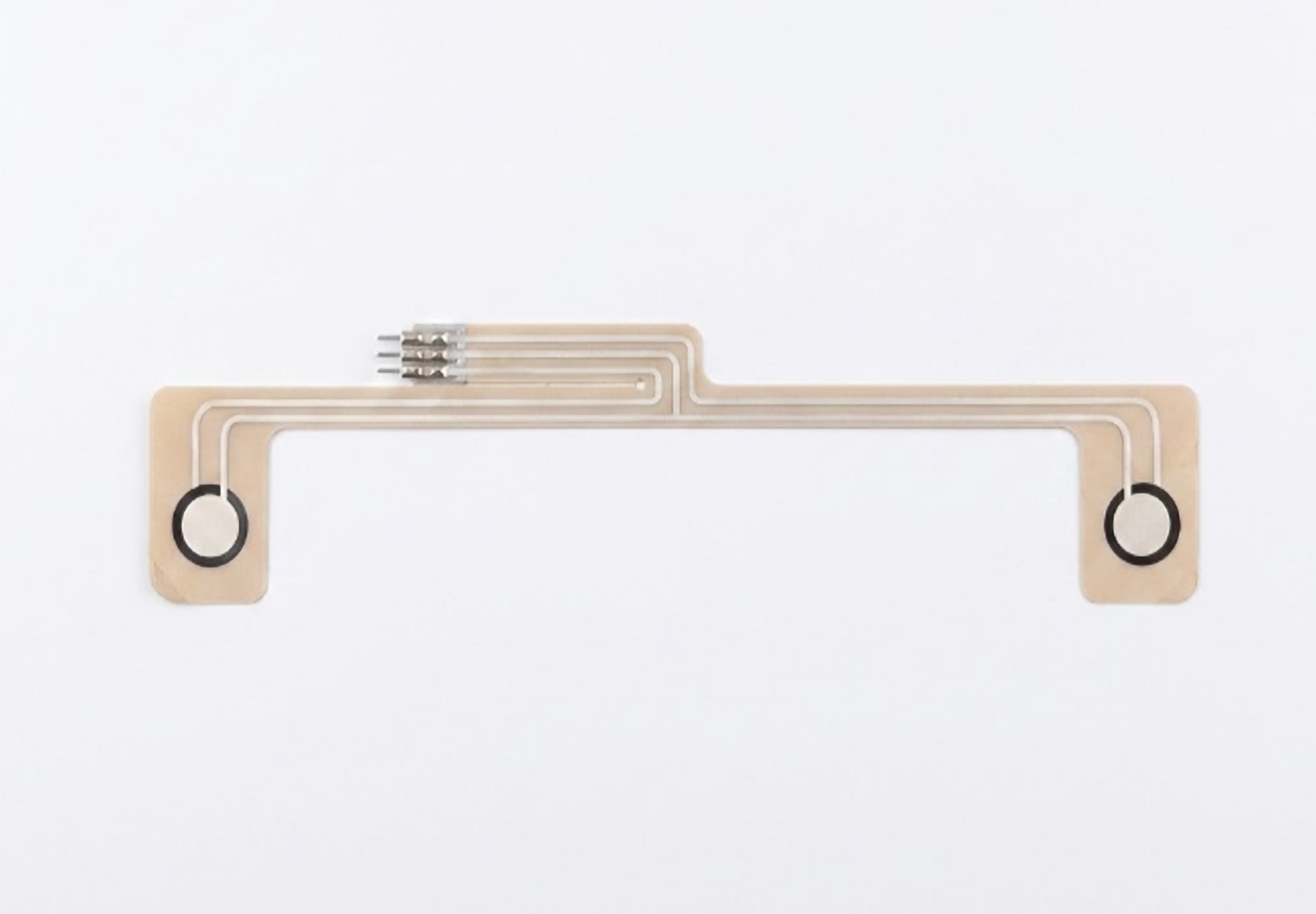
If the product only needs reliable threshold detection, the FSR pressure sensor page is the closest product reference. If the product expects more controlled repeatability, that requirement should be written into the sample plan before testing starts.
Dwell time and recovery usually matter more than the nominal force range
Many RFQs define low force and high force, but skip what happens in between. That creates trouble later.
Buyers should test:
- Reading shift after the load is held for 1 second, 5 seconds, and the longest realistic user hold.
- Recovery behavior after full release.
- Difference between the first press and the fifth or tenth repeated press.
- Whether the same threshold still works after the unit has warmed up.
- Whether the force profile is a sharp tap, slow squeeze, seated load, or constant contact.
An FSR that reacts correctly to a quick press may still be the wrong design if the product depends on stable long-hold behavior.
The actuator stack can create false drift conclusions
Summer problems are often blamed on the sensor film even when the real cause sits above it.
Check these design points together:
- Contact area size and whether the load lands in the center or near the edge.
- Foam, rubber, fabric, silicone, or plastic layer above the sensing zone.
- Whether the top structure softens or deforms as temperature rises.
- Adhesive plan under the sensor and near the tail exit.
- Housing flatness and whether screws or clips create local pressure before the user even touches the part.
- Tail bend and connector routing, especially if the tail crosses a warm enclosure corner.
A trial unit that is tested with a loose stack on the bench can give a false result. The assembled structure changes both force transfer and recovery time.
Circuit thresholds can hide a mechanical problem or create one
An FSR sample should not be judged only by the raw sensor shape. The reading circuit decides whether a small shift becomes a visible field issue.
Before approving the field-trial sample, review:
- Pull-up or divider values used during the test.
- ADC resolution and sampling interval.
- Whether firmware averages readings, uses debounce logic, or latches a threshold.
- Whether temperature compensation is absent, optional, or required.
- Whether one threshold is being reused across units that may need separate calibration.
- Whether the test log keeps both raw value and pass-fail state.
A threshold set too close to the natural drift band can make a normal sample look unreliable. A threshold set too wide can hide a real design problem until later.
What should buyers test before approving a summer field-trial sample?
A better approval check includes:
- Room-temperature baseline reading before load.
- Repeated readings after the unit has sat in the warmest realistic trial condition.
- Short-hold and long-hold drift comparison.
- Recovery-time check after full release.
- Repeat cycle check after several presses or load events.
- Trial on the real actuator stack, not only on the bare sensor.
- Connector and tail inspection after installation.
- Notes on any false trigger, delayed reset, or threshold hunting seen in firmware.
Keep the test method simple enough to repeat. If the next sample uses a different load time or firmware filter, the comparison may stop being meaningful.
RFQ checklist for FSR pressure sensors heading into summer trials
For a faster quotation and a more useful sample, send:
- Sensor outline, sensing-zone size, number of points, and tail direction.
- Product-use note covering ambient heat, humidity, sweat, or enclosure temperature rise.
- Force profile: tap, hold, squeeze, seat load, or repeated cycling.
- Pass-fail rule for the product: threshold trigger, multi-level response, or relative-force trend.
- Dwell-time expectation and required recovery behavior.
- Actuator stack details such as foam, rubber, silicone, fabric, plastic cap, or metal contact pad.
- Circuit context, including resistor choice, ADC reading method, and any existing calibration plan.
- Housing photo or section view showing mounting pressure and nearby constraints.
- Sample quantity, annual volume, and trial schedule.
- Failure history from older units, especially drift, delayed reset, false trigger, or temperature-related offset.
If your team is ready for engineering review, send the package through the Request Quote form so the supplier can review the sensor film, actuator stack, and threshold logic together.
Practical takeaway
Current mid-June heat and humidity are a useful reminder that FSR pressure sensors should be approved around real use timing, not only around a clean first press. Buyers usually get a better field-trial sample when they define dwell time, recovery target, stack-up behavior, and threshold margin before testing starts.
Need help reviewing a structure?
Send your drawing, photos, application, and quantity. Baoshengda can help check the structure before sampling.
Send Drawing for Quote