
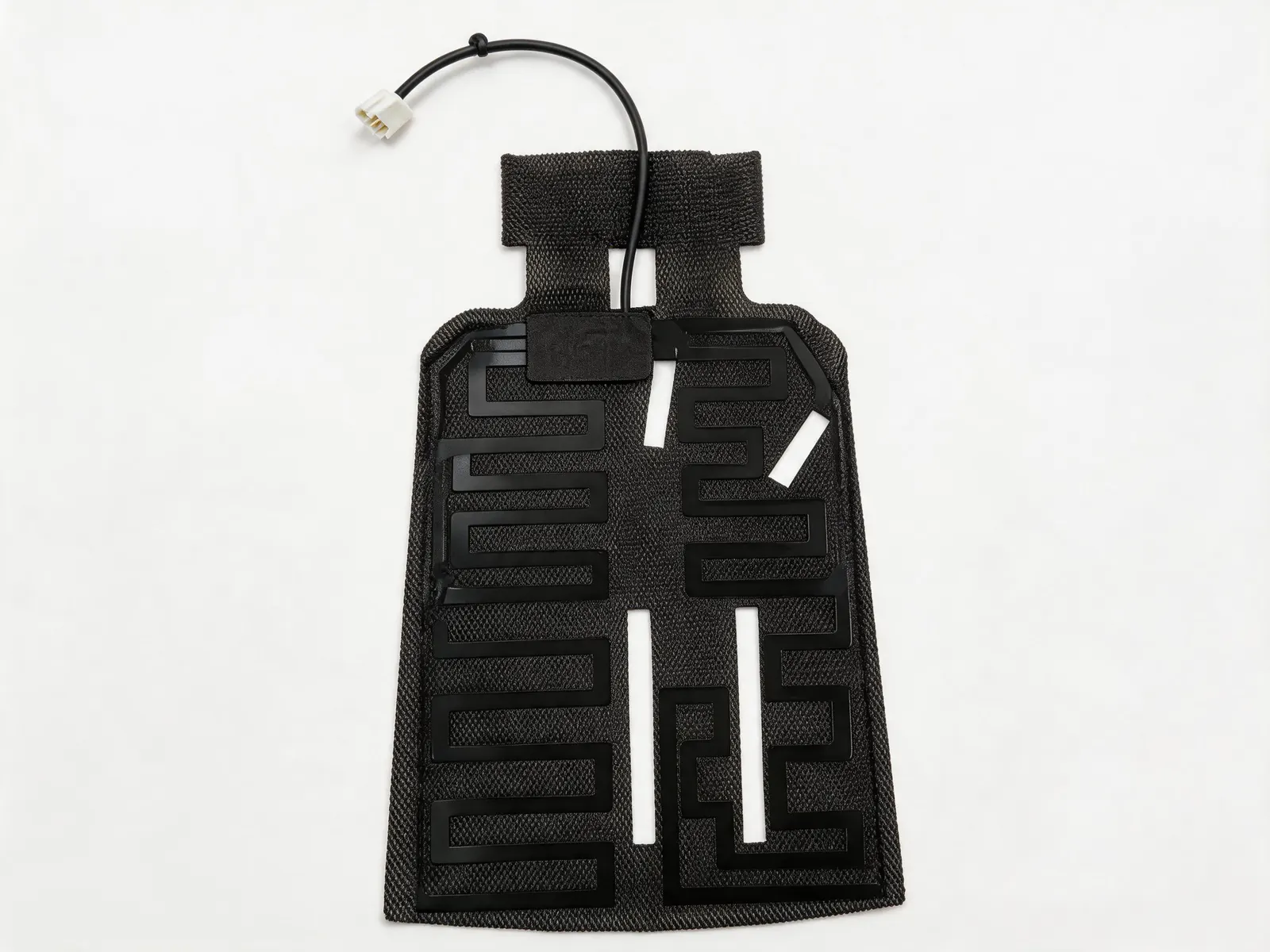
Quick answer: if your equipment needs a clear display window, camera area, inspection lens, or protected viewing surface in humid outdoor service, do not treat anti-fog heating film as a last-minute add-on. Buyers should define what must stay visible, how quickly fog must clear, where the heater can sit, how the film is powered, and what surface temperature limit is acceptable before approving the first sample.
Current trend: storm-season humidity keeps condensation risk practical
On June 16, 2026, NOAA's 2026 North Atlantic hurricane season outlook and the National Hurricane Center's Atlantic Tropical Weather Outlook were both active reminders that field equipment does not stay in dry lab air. Even when a product is not used in a coastal storm zone, this season brings the same buyer question back into review: what happens when warm humid air hits a cooler window, lens cover, or front panel during startup or early-morning use?
For anti-fog projects, the useful issue is not the weather headline itself. It is whether the viewing area stays readable fast enough for the operator to trust the equipment.
Buyer problem: the window can look fine on the bench and still fog in service
Anti-fog projects often fail because the first review only checks whether the film gets warm. That is not enough.
Common field complaints include:
- Condensation collecting first at the lower edge or corner of the window.
- A clear center area but a fogged border that still blocks reading.
- Slow warm-up after power-on, so the first minutes of operation are unusable.
- Uneven heating that creates cold stripes or visible hot zones.
- Tail exit or connector placement forcing a bend that weakens the circuit during assembly.
- Adhesive or insulation layers reducing heat transfer more than expected.
This is why anti-fog review should start with the real viewing problem, not only the heater resistance value.
Decide what must stay visible and how fast it must recover
Before choosing the heating pattern, define the target viewing task.
Confirm:
- Whether the clear area is a display window, inspection lens, barcode window, camera cover, or status panel.
- How much of the area must stay clear for safe or useful operation.
- Whether the product starts in a cold cabinet, shaded outdoor box, or air-conditioned enclosure exposed to humid air.
- How quickly the fog must clear after power-on.
- Whether the operator needs full clarity or only enough visibility to read key data.
- Whether the viewing area can tolerate a warm border or must stay visually uniform.
If the product uses a custom thermal layer instead of a standard heater, the flexible heating film page is the closest product reference.
Heater layout and stack-up usually decide whether the sample is meaningful
A heating film should be reviewed as part of the full stack. Window material, adhesive thickness, insulation, air gap, and mounting pressure all change the result.
Check these design points before sampling:
- Heater coverage relative to the true visible area, not only the outer panel size.
- Busbar and tail position so the connection does not block the heated zone.
- Film thickness and bend path inside the housing.
- Adhesive and insulation layers between the heater and the fog-prone surface.
- Whether the structure needs cutouts, sensor holes, or non-heated keep-out areas.
- Whether the housing clamps the film evenly or creates local air gaps.
A sample that is tested flat on the table can give a false pass. The final stack changes heat spread and condensation behavior.
Power-control questions matter as much as the film pattern
Many RFQs describe size and voltage but skip the control logic. That creates trouble later.
Buyers should answer:
- Is the heater always on, timer-based, or sensor-controlled?
- What is the available voltage and current budget in the final product?
- Is there a target warm-up time or only a steady-state temperature target?
- Does the project need an NTC, thermostat, or control-board feedback loop?
- What is the highest safe surface temperature for the nearby plastic, coating, or operator contact area?
- Should the heater survive short dry-run conditions or power cycling during service?
A film that clears fog quickly but overheats the bezel, adhesive, or nearby electronics is still the wrong sample.
What should buyers test during sample approval?
Do not approve the first sample by resistance value and appearance alone.
A better sample check includes:
- Startup test in a humid or condensation-prone condition.
- Time-to-clear record for the real visible area.
- Surface-temperature check at the hottest practical point.
- Photos showing whether the border stays fogged after the center clears.
- Tail, connector, and bend check after full installation.
- Repeat power-cycle test if the product will start and stop often.
Keep one simple acceptance note with the approved voltage, warm-up target, visible-area result, and any surface-temperature limit. That prevents argument later when the next sample or batch is compared.
RFQ checklist for anti-fog heating film projects
For a faster quotation and a more useful first sample, send:
- 2D drawing with outline, heated area, keep-out zones, holes, and tail direction.
- Photo or section view showing the window, lens, or surface that must stay clear.
- Material of the fog-prone surface and any adhesive or insulation layer between it and the heater.
- Available voltage, current limit, and control method.
- Warm-up expectation, such as time to clear or target operating temperature.
- Operating environment note covering humidity, rain splash, cold start, or outdoor cabinet use.
- Maximum acceptable surface temperature near the user or nearby parts.
- Connector requirement, wire length, and bend limitation.
- Sample quantity, annual demand, and launch timing.
- Any failure history from the older design, especially edge fogging, slow recovery, hot spots, or connector fatigue.
If your team is ready for engineering review, send the package through the Request Quote form so the heater layout and control limits can be checked together.
Practical takeaway
Current storm-season humidity is a useful reminder that anti-fog performance should be quoted around the real viewing task. Buyers usually get a better first sample when they define the clear area, warm-up target, stack-up, and control method early instead of asking for a generic heating film and testing the rest later.
Need help reviewing a structure?
Send your drawing, photos, application, and quantity. Baoshengda can help check the structure before sampling.
Send Drawing for Quote