
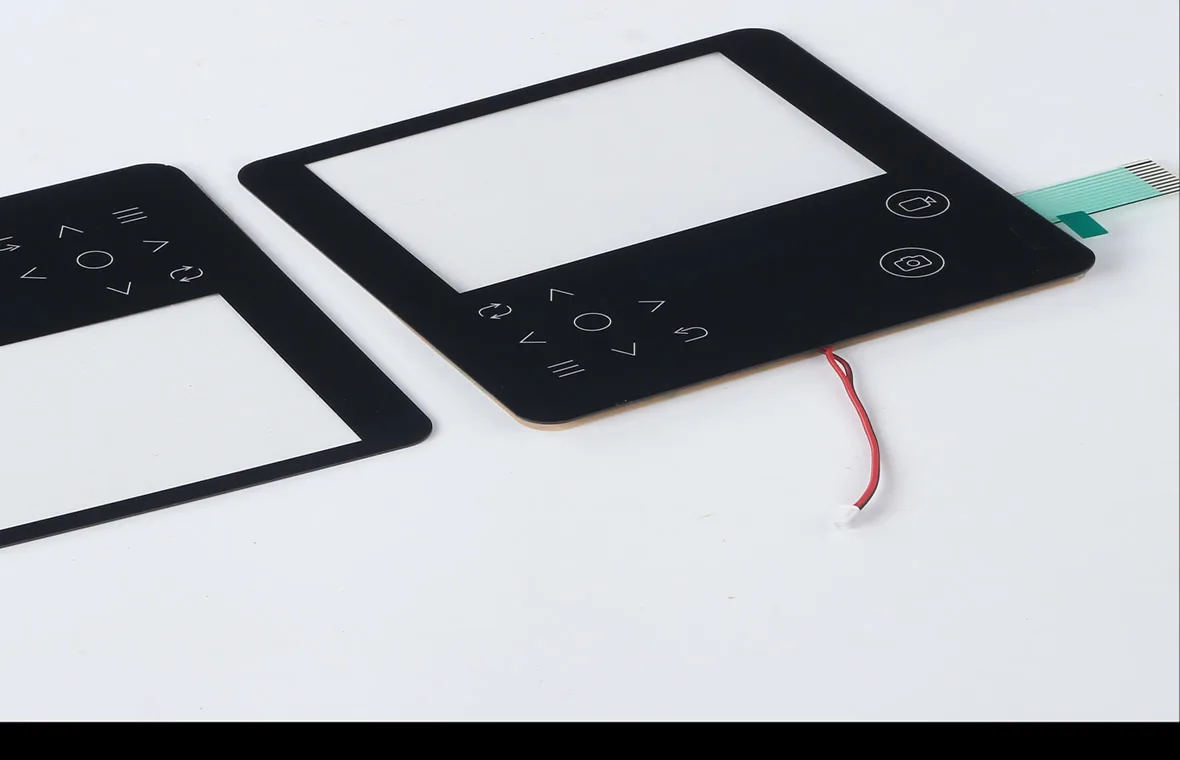
Quick answer: if your product uses a touch panel or touch-switch surface on shared equipment, summer heat and humidity make one problem show up faster than the brochure does. Buyers should confirm how the panel behaves with moisture film, sweaty fingers, cleaning wipes, glove use, and the real cover-lens stack before approving the sample. A clean-looking front surface is not enough if the touch area starts false-triggering, missing commands, or showing edge lift after assembly.
Current trend: June heat and humidity put more stress on shared control surfaces
On June 15, 2026, the National Weather Service pages for Jacksonville and Orlando were still showing high humidity and heat-index conditions. That is a useful reminder for buyers of access panels, appliance controls, room devices, dispensers, and shared HMI products: touch surfaces do not live in stable lab air.
At the same time, CDC guidance on cleaning high-touch surfaces keeps the routine wipe-down question in play. For touch-panel buyers, the useful issue is simple: can the front surface keep working when heat, skin moisture, and repeat cleaning all happen in the same week?
Buyer problem: a touch panel can pass the bench test and still fail in the field
The first sample often looks good on a desk. Problems start after the panel is bonded into the housing and used the way operators will actually use it.
Common failures include:
- False touches when condensation, sweat, or water film sits near the active area.
- Missed input because the cover lens is thicker than the sensing design expected.
- Poor response near the edge because the printed border, adhesive, or grounding pattern changed.
- Cleaner damage that dulls the surface or weakens printed icon visibility.
- Fingerprint buildup that makes the panel look worn long before the electronics fail.
- Edge lift or haze because the front stack was reviewed as artwork, not as an assembled part.
If the product is used in a lobby, kitchen appliance area, building control point, shared room device, or other high-contact setting, these issues appear quickly.
Start with the real touch stack, not only the front artwork
Touch-panel reviews often stay too close to appearance. Buyers should ask what sits under the visible panel and how that stack changes sensing behavior.
Confirm:
- Cover-lens material and thickness.
- Printed border width around the display or active area.
- Whether the structure is capacitive touch, printed touch switch, or another touch method.
- Adhesive position around the sensing zone and display window.
- Grounding or shielding requirement if the electronics design needs it.
- Display window relationship to the active touch area.
- Cable, tail, or connector exit direction inside the housing.
If the panel is part of a broader interface build, the HMI panel solution page is the closest product reference.
What should buyers check for wet-hand and summer-humidity use?
Humidity risk is not only a sealing issue. It changes how the user touches the panel and how the front surface behaves over time.
Review these questions before sampling:
- Will users touch the panel with bare fingers, wet hands, gloves, or mixed conditions?
- Does the product sit near steam, cooking vapor, condensate, bathroom humidity, or outdoor air exchange?
- Can a thin water film collect at the lower edge or around the window border?
- Does the interface need to reject accidental brush contact or water-related false input?
- Is there a required response speed or sensitivity limit for the final product?
- Does the housing create a lip, recess, or corner where moisture stays longer?
Do not leave the touch-sensitivity decision at "normal setting." The acceptable response range should match the real environment.
Cleaning chemistry can damage the panel before the touch circuit fails
Many buyers ask about touch response first and surface cleaning second. On shared controls, those checks should happen together.
Confirm:
- Which wipe or cleaner will be used in service.
- Whether the printed icons need anti-fingerprint or hard-coat protection.
- Whether repeated alcohol wiping changes gloss, haze, or legend visibility.
- Whether the edge seal or bonded border traps cleaner residue.
- Whether the panel has a matte finish that hides fingerprints better but changes the visual look of the window.
A front panel that still senses input but looks scratched, cloudy, or stained is still a field problem.
Assembly details often decide whether the first sample is meaningful
A touch panel should be reviewed on the actual housing or a close fixture, not on the table only.
Check:
- Flatness of the bonding area.
- Tolerance between the display window and the printed border.
- Adhesive coverage near corners and narrow bridges.
- Tail bend direction and connector clearance.
- Whether a metal frame, bezel, or nearby board changes the sensing behavior.
- Whether the finished panel still responds correctly after full assembly pressure.
This is where many sample approvals go wrong. The front panel may be correct by drawing and still behave differently once the stack is closed.
RFQ checklist for touch panels used on shared equipment
For a faster quotation and a better first sample, send:
- 2D drawing with outline, display window, active touch area, and border dimensions.
- Artwork file with icon positions, hidden areas, and any transparent window requirement.
- Cover-lens material and target thickness.
- Product-use note covering humidity, wet-hand use, glove use, and cleaning method.
- Housing photo or assembly section showing recess, bezel, and bonding surface.
- Electronics note describing touch type, grounding need, connector position, and tail direction.
- Surface requirement such as gloss, matte, anti-fingerprint, or hard-coat treatment.
- Failure history from the previous version, especially false touch, missed input, haze, scratches, or edge lift.
- Sample quantity, annual quantity, and launch timing.
If your team is ready for engineering review, send the package through the Request Quote form so the supplier can review the touch stack and operating conditions together.
Practical takeaway
Current summer heat and humidity are a useful reminder that touch panels should be approved under real-use conditions, not only by appearance. Buyers who define the touch stack, moisture risk, cleaning method, and assembly structure early usually get a first sample that is closer to production reality.
Need help reviewing a structure?
Send your drawing, photos, application, and quantity. Baoshengda can help check the structure before sampling.
Send Drawing for Quote