
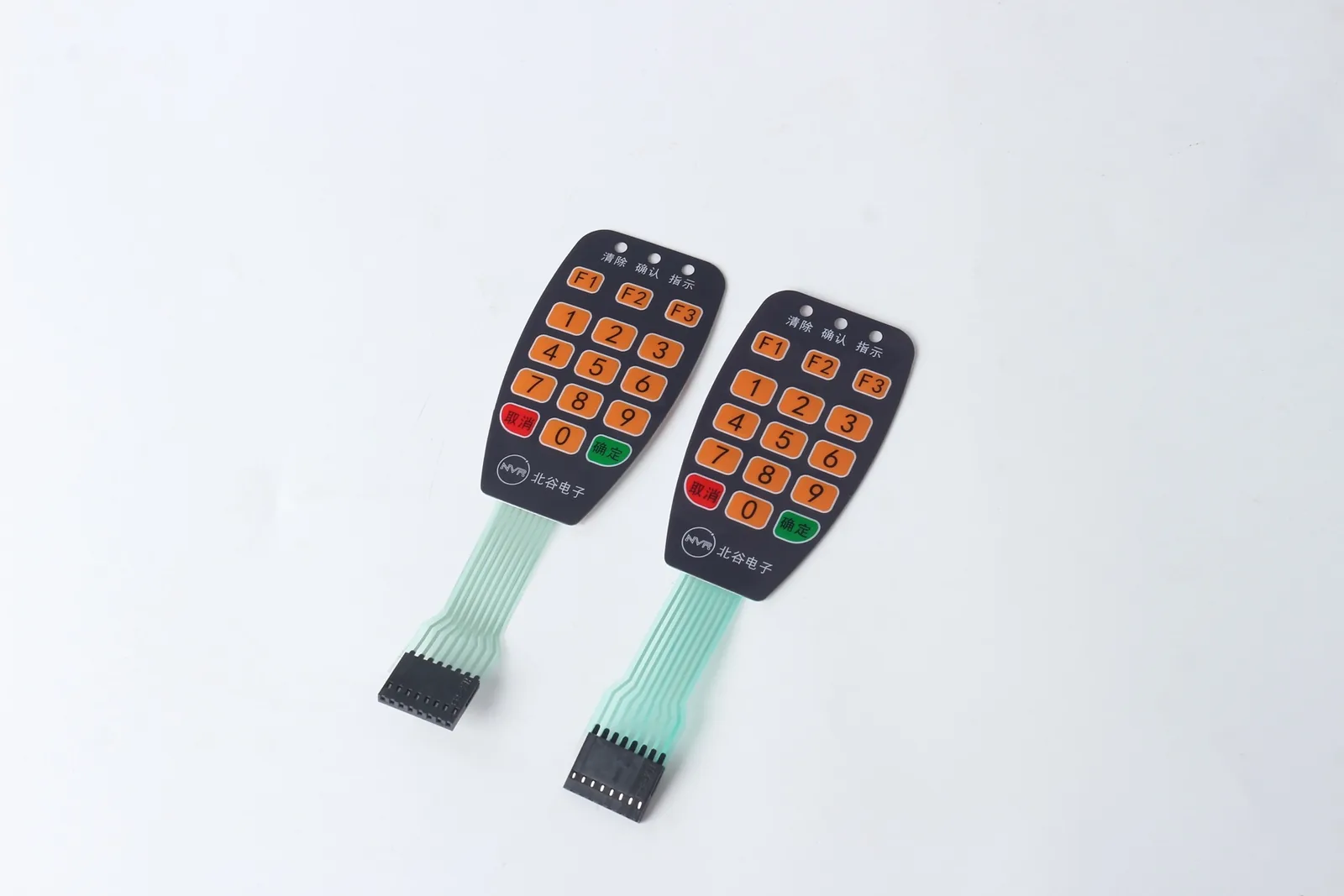
A membrane switch sample should not be approved only because it looks close to the drawing. Before mass production, the buyer and supplier should confirm how the part fits the housing, how the keys feel, how the tail routes, and whether the printed overlay can survive the real assembly process.
This checklist is written for OEM buyers, engineers, and purchasing teams who need a simple review method before releasing a custom membrane switch, graphic overlay, or HMI panel to production.
What should be checked first?
Start with the items that are hardest to change later: outline size, hole position, viewing windows, tail exit, connector direction, and adhesive contact area. If one of these is wrong, printing color approval will not save the project.
Ask the supplier to mark the sample revision clearly. The sample label, drawing revision, artwork file, and quotation should all point to the same version. This avoids a common problem where the sample is correct, but production follows an older artwork file.
Check the overlay artwork under real light
A membrane switch overlay may look different under office light, outdoor light, or equipment backlight. Review the sample under the condition closest to the final product.
Look at:
- Logo, icon, and text position.
- Color difference against the approved file or physical reference.
- Pinholes, dust marks, scratches, and ink edge quality.
- Window clarity for LCD, LED, or display areas.
- Gloss, matte, or texture finish.
If the project has strict color requirements, use a real color reference or sample panel. Screen photos are useful for discussion, but they are not enough for final approval.
Fit the sample on the housing
Do not approve the sample on a desk only. Place it on the actual housing or a fixture with the same mounting surface. This confirms whether the outline, holes, and adhesive area match the product.
Check:
- Edge alignment around the housing recess.
- Screw holes, display windows, and LED positions.
- Whether the overlay bridges a curved or textured surface.
- Whether there is enough bonding area around corners and keys.
- Whether any housing rib presses the tail or circuit layer.
If edge lifting appears during a dry fit, stop and review the adhesive, surface texture, and bonding pressure before production.
Press every key, not only the main keys
For tactile membrane switches, press all keys several times. The click should feel consistent, and each key should return cleanly. A large key, corner key, or key near the tail exit may feel different from the center keys.
Confirm:
- Tactile or non-tactile feel.
- Embossing position and height.
- Metal dome location under the graphic.
- Whether users can press the key with gloves if required.
- Whether the key feel changes after the panel is mounted.
If the buyer has a force requirement, share the target range before sampling. If not, approve against a reference sample so both sides understand the expected feel.
Review tail route and connector direction
The circuit tail is easy to miss during sample approval. It may pass visual inspection but fail during assembly if it is too short, exits in the wrong direction, or bends sharply near the housing wall.
Before approval, confirm:
- Tail length with enough service loop.
- Contact side: up or down.
- Pin count and pin pitch.
- Connector model or mating board position.
- Stiffener thickness and location.
- Bend direction inside the housing.
If the tail must fold, the fold line should not sit directly on a printed trace or contact area. Ask for a layout review before locking the drawing.
Check adhesive contact and release liner
Adhesive approval is not only a material name. The real question is whether the adhesive makes stable contact with the housing surface.
Check:
- Adhesive coverage around keys, windows, and panel edges.
- Whether the release liner is easy for the operator to remove.
- Whether narrow adhesive strips tear during assembly.
- Whether the housing surface is clean, flat, and compatible with the adhesive.
- Whether bonding pressure and dwell time are defined.
For low surface energy plastic, powder-coated metal, or textured housings, send the housing material information to the supplier early. The adhesive may need adjustment before production.
Electrical and functional checks
A good sample should pass both appearance and function review. For a simple membrane switch, the basic checks are continuity, insulation, key response, and connector mating. For a panel with LED, backlight, FPC circuit, or sensor function, add the matching electrical checks.
Typical checks include:
- Every key closes the correct circuit.
- No short circuit between unrelated lines.
- LED polarity and position are correct.
- Backlight or window area matches the display.
- Connector fits the PCB without force.
- Sample works after normal assembly handling.
Keep the inspection record with the approved sample. It gives the production team a clear reference if a later batch needs comparison.
What should buyers approve in writing?
Before mass production, record the approved version in a short note. It does not need to be complicated, but it should remove uncertainty.
Include:
- Approved drawing and artwork revision.
- Sample quantity and sample date.
- Approved cover image or sample photo.
- Any accepted deviations.
- Required changes before production.
- Packaging or protective film requirements.
- Name of the person who approved the sample.
If any item is still open, do not call the sample fully approved. Mark it as conditional approval and list the remaining action clearly.
When should production wait?
Production should wait if the sample has a fit problem, wrong tail direction, unstable key feel, color dispute, missing connector information, or uncertain adhesive performance. These issues are cheaper to fix before production than after the parts are shipped.
A careful sample approval step protects both sides. The buyer gets fewer assembly surprises, and the supplier gets a clear production reference. For Baoshengda projects, sharing the housing photo, PCB connector position, and approved artwork together usually makes the final review much faster.
Need help reviewing a structure?
Send your drawing, photos, application, and quantity. Baoshengda can help check the structure before sampling.
Send Drawing for Quote