
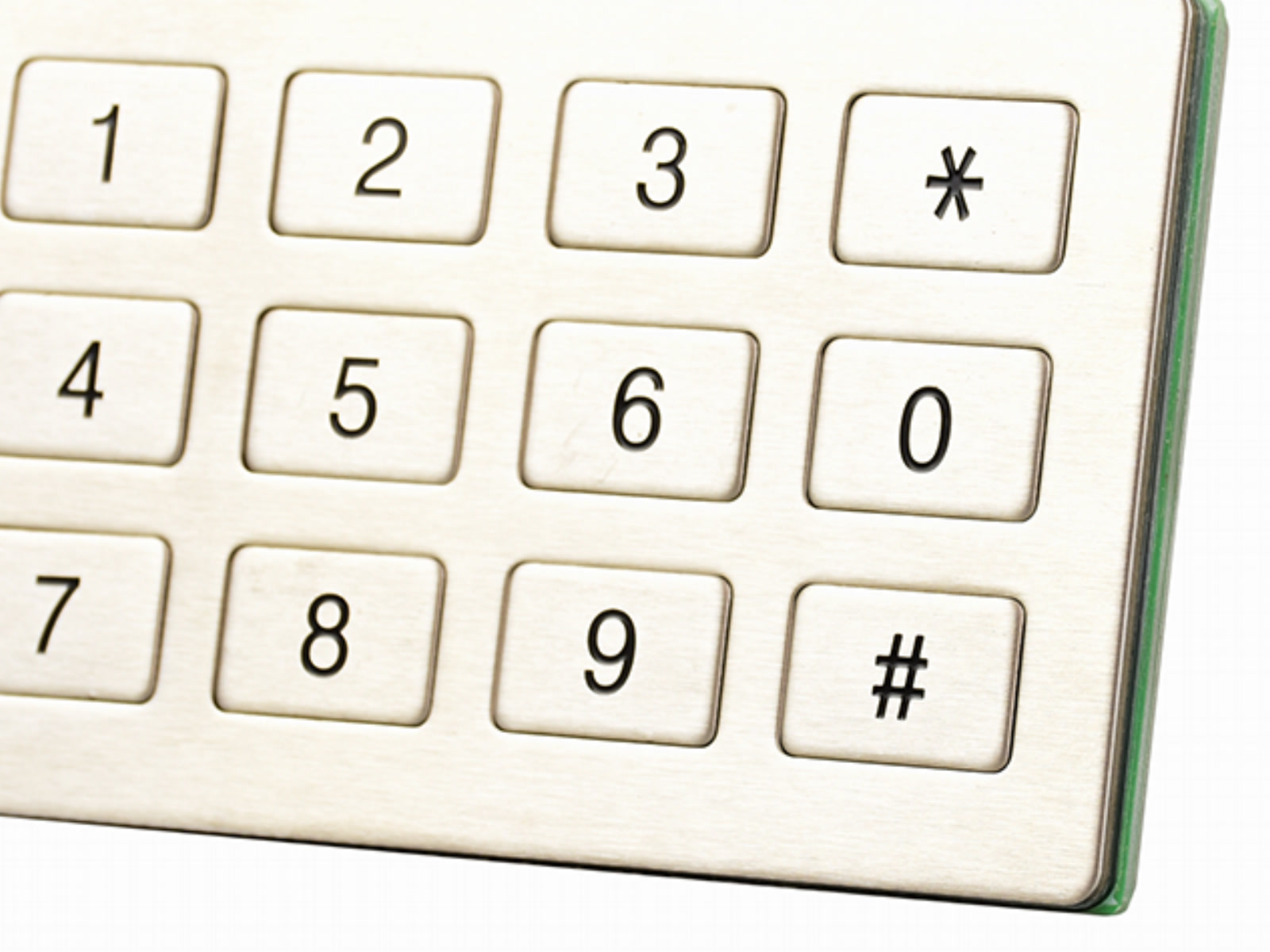
Quick answer: if you are replacing a metal keypad in a terminal, access unit, payment device, or outdoor controller, do not reorder by front cutout size alone. Storm-season service calls often expose the hidden mismatch points: stud length, gasket compression, rear clearance, cable exit direction, and chassis grounding. If your project needs a rigid public-use keypad rather than a soft molded keymat, the rubber and metal keypad page is the closest product reference.
Current trend: hot and wet service conditions are back in the field
On June 19, 2026, the National Weather Service point forecast for Houston showed a Heat Advisory until June 20, 10:00 PM CDT, with the Juneteenth forecast calling for heat index values as high as 111 and a chance of afternoon storms. The National Hurricane Center's 2:00 AM EDT Tropical Weather Outlook for June 19 also said the remnants of Arthur could bring heavy rainfall and life-threatening flash flooding across parts of the Southeast during the next day or two.
For keypad buyers, the useful lesson is not the weather headline itself. It is that service teams now have to put field terminals, access devices, and outdoor payment equipment back into operation under heat, moisture, and repeated cleaning pressure. That is where a replacement keypad can fail even when the front outline looks correct.
Buyer problem: the replacement keypad matches the hole, but not the real panel stack
Many reorder projects start from an old photo and a front-panel cutout dimension. That is enough to start a conversation, but it is not enough to approve a replacement metal keypad.
Typical failures include:
- The stud pattern lines up, but the stud length is wrong for the actual panel thickness and gasket stack.
- The rear connector or cable exit lands directly into a bracket, display frame, or power board.
- The keypad sits flat from the front, but one corner loses compression and starts leaking during rain or washdown.
- The replacement changes the chassis contact path, so grounding behavior is different from the older assembly.
- The keys feel acceptable on the bench, then become harder to actuate after the unit is fully tightened.
- The service team has to force the cable during reassembly, which creates intermittent contact later.
That is why a metal keypad reorder should be treated as a retrofit review, not as a simple repeat purchase.
Confirm the mounting stack before asking for a repeat build
Start with the mechanical stack, because that is where most replacement surprises begin.
Check these points before releasing a reorder:
- Front-panel material and exact thickness at the keypad area.
- Cutout size, corner radius, and whether paint or coating reduces the real opening.
- Stud quantity, stud spacing, stud diameter, and usable stud length after gasket compression.
- Gasket type, foam thickness, and whether the seal sits on the keypad side or on the enclosure side.
- Rear keep-out depth behind the keypad, including any bracket, display, battery, or PCB near the connector.
- Whether washers, spacers, or insulating parts were added during the last field repair.
A buyer who only repeats the visible outline can still receive a keypad that cannot clamp correctly in the actual housing.
Check where water travels after it reaches the front panel
Metal keypad projects often focus on vandal resistance first. In storm-season service, the sealing path matters just as much.
Review:
- Whether the keypad face sheds water away from the panel cutout or traps it at the lower edge.
- Whether the gasket compresses evenly when the keypad is torqued into place.
- Whether stud holes, rear nuts, or panel seams create a secondary leak path.
- Whether the cable exit or rear connector sits in a splash-prone pocket.
- Whether the enclosure already has a drain path, or whether water can collect behind the keypad.
- Whether field technicians might over-tighten one side and distort the seal.
A keypad can look rugged from the front and still leak from the rear mounting path if the compression plan is vague.
Service access and grounding deserve their own check
Replacement projects are often installed by service teams, not by the original product-development group. That changes what should be reviewed.
Ask the team to confirm:
- Connector type, pin count, and cable-exit direction from the back of the keypad.
- Minimum service loop needed to unplug and re-seat the keypad without cable stress.
- Whether the keypad body needs a reliable metal-to-metal grounding path through the panel.
- Whether paint, powder coating, or insulating washers change that grounding path.
- Whether the unit can be reopened later without cutting sealant or bending the cable.
- Whether the keypad must match an existing controller logic board, not just the front artwork.
A replacement keypad that installs only once with heavy force is already a warning sign. The next service cycle will usually be worse.
RFQ checklist for metal keypad replacement and retrofit orders
For a faster quote and a safer sample, send:
- Front and rear photos of the old keypad still mounted in the unit.
- Panel cutout drawing or measured cutout width, height, thickness, and corner style.
- Stud pattern, stud length, and nut or bracket details from the current assembly.
- Rear-space photo showing connector clearance and nearby obstacles.
- Cable type, pin count, and exit direction.
- Sealing target: rain exposure, splash, washdown, or public-use outdoor shelter only.
- Grounding note, especially if the keypad body contacts a painted or coated panel.
- Cleaning method and any exposure to fuel residue, skin oils, or detergent wipes.
- Sample quantity, reorder urgency, and whether the project needs a form-fit replacement or a revised structure.
- Failure history from the installed unit, especially leakage, loose mounting, hard actuation, or intermittent output.
If your team is preparing a replacement or retrofit order, send the package through the Request Quote form so the keypad structure, mounting stack, and rear-service details can be reviewed together.
Practical takeaway
June field conditions are a reminder that metal keypad reorders fail more often from hidden assembly changes than from visible keypad damage. Buyers usually get a better replacement sample when they define the panel stack, sealing path, grounding contact, and cable exit before asking the supplier to copy the old part.
Need help reviewing a structure?
Send your drawing, photos, application, and quantity. Baoshengda can help check the structure before sampling.
Send Drawing for Quote