
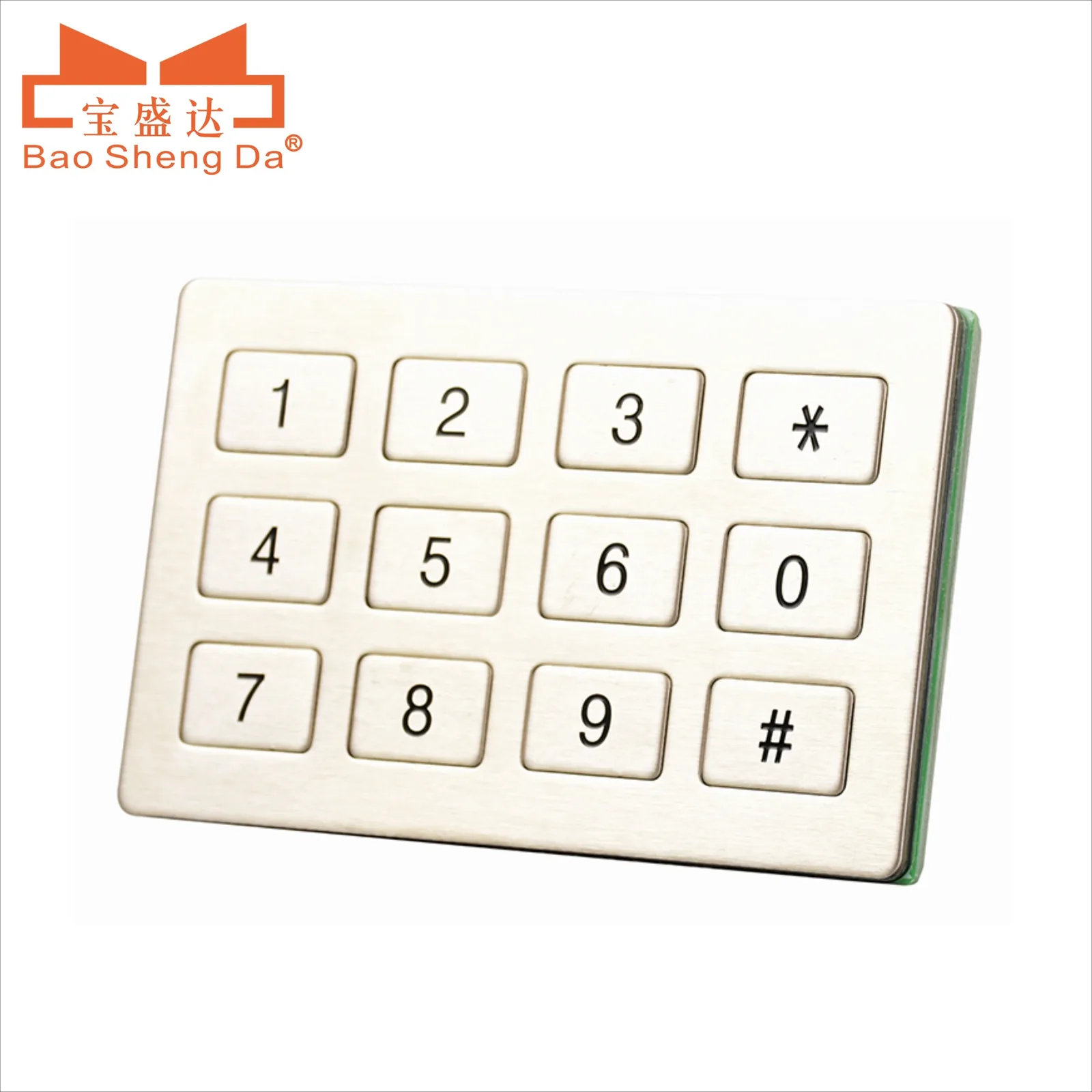
Quick answer: for outdoor terminals, access devices, parking equipment, fuel dispensers, and public-use panels, a metal keypad is usually the safer choice when the project needs vandal resistance, rigid panel mounting, and repeated wipe-down cleaning. A silicone rubber keypad is often the better choice when the product is enclosed, needs softer tactile feel, quieter operation, shaped keys, or backlit legends. The important decision is not which one looks better in a photo. It is which one fits the enclosure, the sealing path, and the way real users will press it.
This week’s weather coverage is a useful reminder that outdoor equipment does not see lab conditions for long. The NOAA 2026 Atlantic hurricane season outlook, the Storm Prediction Center outlook hub, and current National Weather Service forecasts and alerts all point back to the same buyer question: will the keypad still work after sun, wet hands, gloves, dust, and repeated cleaning?
Start with the use pattern, not the material name
Buyers sometimes ask first whether the keypad should be metal or rubber. That question is too early by itself. The better starting point is how the product will actually be used.
Check these conditions first:
- Is the keypad exposed to public use, tools, fingernails, coins, or rough handling?
- Will operators press it with gloves or wet hands?
- Does the panel get alcohol wipes, detergent, grease, or fuel contact?
- Is the sealing boundary at the front face, the housing cutout, or the rear gasket?
- Does the product need quiet actuation or strong tactile confirmation?
- Is there enough rear depth for studs, connector exit, or service loop space?
A keypad sample can look fine on the bench and still fail in the housing if those answers stay vague.
When a metal keypad is usually the safer outdoor choice
A metal keypad is worth serious review when the unit is mounted through a rigid front panel and many unknown users may press it every day. Typical cases include access control, parking terminals, ticket machines, payment units, fuel equipment, and outdoor lockers.
A metal keypad usually makes more sense when the project needs:
- resistance to scratching, abuse, or casual vandalism
- a hard front surface that is easy to wipe repeatedly
- threaded studs or fixed mounting points through the panel
- a clear split between the front sealed area and the rear electronics space
- stable key feel from a rigid face structure
The tradeoff is mechanical, not cosmetic. A metal keypad asks for closer review of stud pattern, mounting thickness, rear clearance, cable exit direction, and glove feel. If those points are not confirmed early, the first sample becomes a fit test instead of a real approval sample.
When a rubber keypad is the better fit
A rubber keypad is often the better route when the product is enclosed and the user experience matters as much as surface durability. That is common in handheld devices, medical controls, indoor industrial panels, and equipment that needs molded key groups or softer operation.
A rubber keypad is usually the better fit when the project needs:
- raised key shapes that users can find by touch
- softer pressing force during repeated use
- quieter actuation than a hard metal key structure
- integrated backlight legends or translucent key areas
- custom key grouping, molded shapes, or a softer industrial look
The tradeoff moves elsewhere. Rubber designs push more risk toward coating wear, compression set, carbon-pill contact behavior, and the relationship between key travel, PCB contact board, and housing lip. A keypad can feel right before assembly and still become too stiff after the enclosure is locked down.
What usually fails first in outdoor keypad projects
On outdoor projects, buyers often focus on ingress rating alone. In practice, the first field failures are often smaller and more expensive to trace later.
Common problems include:
- water entering around the panel cutout, studs, or gasket path
- legends wearing after alcohol wipes, sunscreen, grease, or fuel contact
- keys that work bare-handed but are hard to hit with gloves
- connector position conflicting with the housing wall or service loop
- metal keypad grounding changing because the mounting stack changed
- rubber keypad travel becoming too shallow after PCB and housing compression
This is why the keypad should be reviewed with the housing, the connector, and the cleaning method together. A flat-desk review is only a partial test.
Checks to settle before tooling or sample approval
Before asking for a quotation or approving the first sample, confirm:
- application type: public terminal, access control, fuel equipment, parking unit, handheld device, or industrial panel
- front-panel material and cutout drawing
- expected sealing level and where the sealing boundary actually sits
- glove use, wet-hand use, and any low-light or backlight requirement
- cleaning liquid, chemical contact, and wipe frequency
- key count, spacing, and whether users need tactile orientation
- mounting method: studs, screws, gasket, adhesive, or snap-fit
- rear depth, connector type, cable exit direction, and service loop space
- whether the project needs metal-key durability or rubber-key comfort and lighting flexibility
If some of these are still open, write them as assumptions. A quotation built on clear assumptions is safer than a sample built on guesswork.
RFQ checklist for metal keypad vs rubber keypad evaluation
For a faster and more accurate quotation, send:
- product photo, front-panel drawing, or enclosure cutout drawing
- keypad outline, visible area, and mounting dimensions
- preferred route: metal keypad, rubber keypad, or both for comparison
- target environment: indoor, semi-outdoor, full outdoor, washdown, or public-use
- operating method: bare hand, glove, wet hand, or mixed use
- connector and cable requirements behind the panel
- artwork, legend language, icon style, and backlight needs if any
- cleaning method and any known exposure to alcohol, oil, detergent, or fuel
- sample quantity, annual quantity, and project timing
- failure history from the old keypad or previous supplier sample
This is also the right place to state the acceptance priority. If the project cares most about sealing, key force, legend wear, or vandal resistance, say that clearly in the RFQ. Otherwise the sample review can drift into opinions instead of actual pass and fail points.
Practical next step
For outdoor and public-use equipment, the keypad decision should be settled during enclosure review, not after artwork approval. If you are comparing a metal keypad against a rubber keypad, send the housing photo, cutout drawing, cleaning method, glove-use note, and connector direction together through the RFQ page. That gives the supplier enough context to recommend the structure that fits the real operating conditions, not just the nicer-looking concept.
Need help reviewing a structure?
Send your drawing, photos, application, and quantity. Baoshengda can help check the structure before sampling.
Send Drawing for Quote