
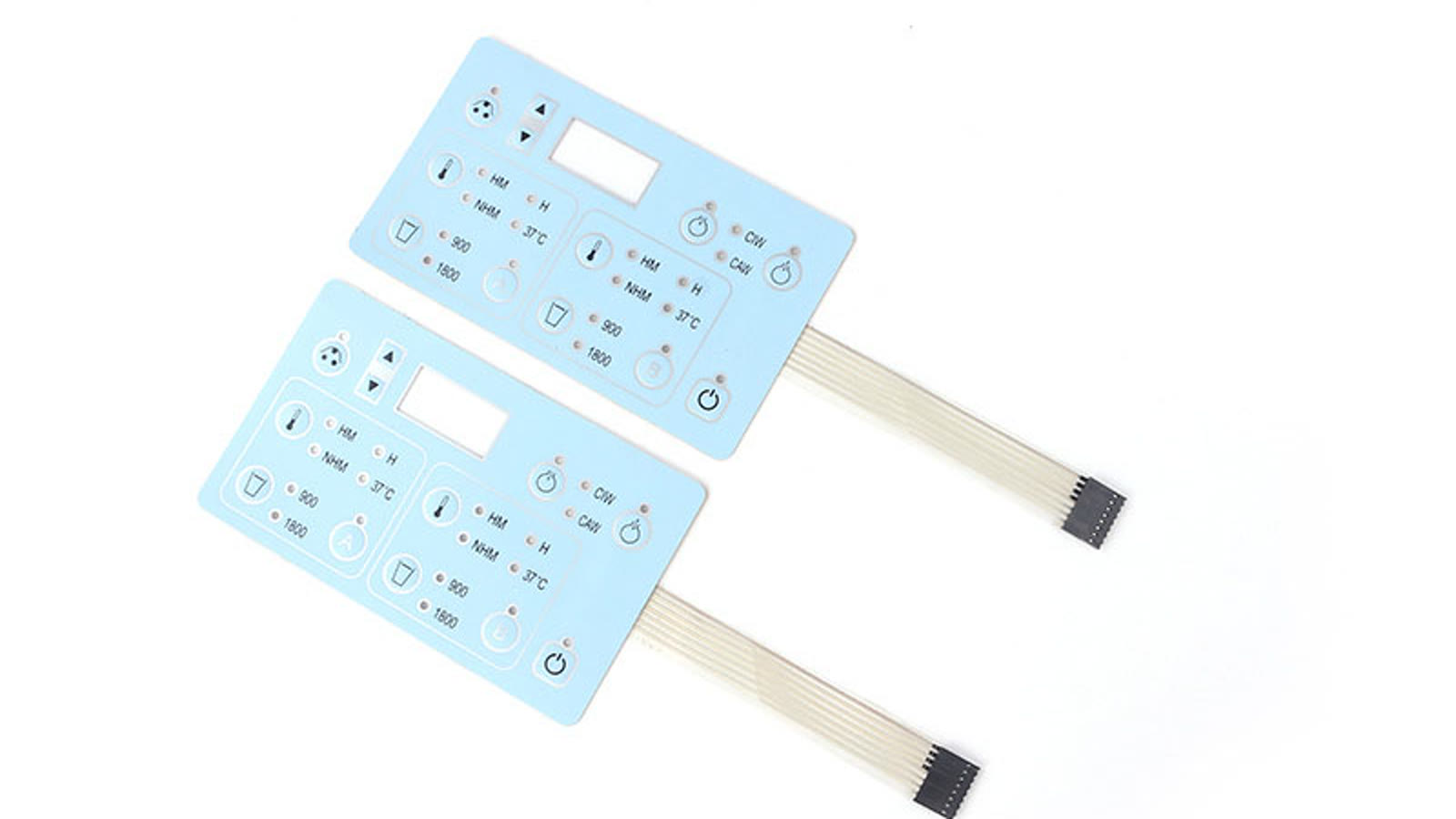
Quick answer: if your controller, handheld service tool, or portable test unit may sit in a parked vehicle between calls, do not approve the membrane switch sample from room-temperature key feel alone. Heat soak changes the first-use condition. Buyers should check first-press response, spacer recovery, window pressure marks, and tail set after the assembled unit comes back down from a hot rest. If the project uses a printed switch panel rather than a capacitive touch surface, the custom membrane switch page is the closest product reference.
Why this buyer question is current
On June 26, 2026, the Houston point forecast showed a high near 93 F with heat index values as high as 105 F, and the National Hurricane Center tropical weather outlook kept Gulf-season weather monitoring active even while noting that tropical cyclone formation was not expected in the Atlantic over the next 7 days. For buyers of portable analyzers, lift remotes, service meters, diagnostic panels, and maintenance controllers, that matters because the panel may spend hours in a vehicle, then be pressed immediately at the next stop.
That use pattern creates a different approval question. The panel is not failing in shipment or in a full rain test. It is failing on the first job after hot storage.
The first risky moment is often the first press after hot storage
A membrane switch can feel clean on the bench and still behave differently after the whole front stack has absorbed heat.
Common complaints are:
- The first key press feels softer or slower than the next few presses.
- A display window or clear lens area shows a pressure ring after the front housing expands.
- One long edge starts to print through because the adhesive stack has relaxed unevenly.
- The tail keeps a sharper bend set after routing inside the housing, so the connector enters under stress.
- A key zone near a screw boss or support rib feels different only after the enclosure has warmed up.
- The panel still works electrically, but the operator no longer trusts the feel on the first use.
That is why a loose-part review is weak evidence for portable service equipment.
Check the front stack and tail as one heated assembly
For this type of project, the membrane switch should be reviewed with the housing parts that actually shape it.
Confirm these points together:
- Front overlay thickness and whether the window area sits over a cavity or support frame.
- Spacer and dome arrangement if the key feel must stay consistent after heat soak.
- Adhesive coverage along the longest free edge, not only around the outer perimeter.
- Tail exit direction, first bend radius, and stiffener position at the connector.
- Rear clearance near battery packs, bracket walls, or PCB corners that may tighten when the housing is closed.
- Whether the front shell, gasket, or screw pattern adds local pressure to one key group.
A buyer who checks only the membrane switch drawing may miss that the housing is the part creating the later complaint.
Run a short parked-vehicle heat-soak review before sample approval
A useful trial does not need a formal chamber on the first pass. It needs the right sequence.
Use this review:
- Mount the sample in the real front shell or a close mechanical fixture.
- Route the tail exactly as planned for production, including the first fold and connector entry.
- Hold the assembly in a hot parked-vehicle condition or a controlled heat-soak condition that matches expected service storage.
- Let the team evaluate the very first press, not only the fifth or tenth press after cooldown begins.
- Check the display window, key borders, and long adhesive edges before and after the first operating cycle.
- Unplug and re-seat the connector once if field service may require reopening the unit.
- Reinspect whether the tail keeps a stressed bend memory after the unit returns to room temperature.
This sequence usually shows whether the design is limited by the switch stack, the housing pressure, or the tail path.
Four RFQ details that save one sample round
When the buyer already expects hot vehicle storage, these details are more useful than a generic request for a durable keypad:
- A front-shell drawing or photos showing where the switch is supported, screwed down, or left unsupported.
- A note on highest expected storage condition, such as parked vehicle, sealed tool case, or sun-exposed service cart.
- Tail route, connector model, and the space available for the first bend after assembly.
- Any complaint from the older build, especially soft first press, window witness marks, border print-through, or connector stress after storage.
If your team is ready for review, send the package through the Request Quote form so the membrane switch stack, housing pressure points, and tail path can be checked together.
Final approval rule
For portable service equipment, a membrane switch sample should be approved only after the buyer confirms first-use key feel, tail stability, window appearance, and adhesive behavior after assembled heat soak. That check is usually cheaper than discovering in pilot use that the panel passes electrical test but feels wrong every time the unit comes out of a hot vehicle.
Need help reviewing a structure?
Send your drawing, photos, application, and quantity. Baoshengda can help check the structure before sampling.
Send Drawing for Quote